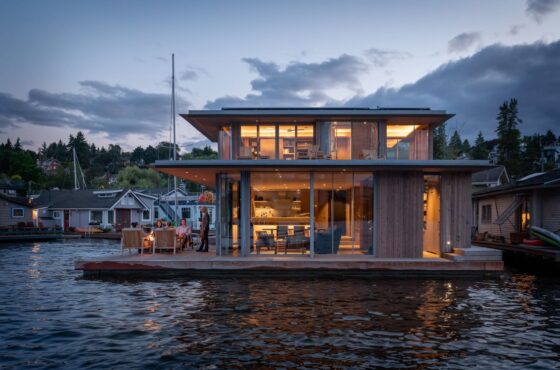
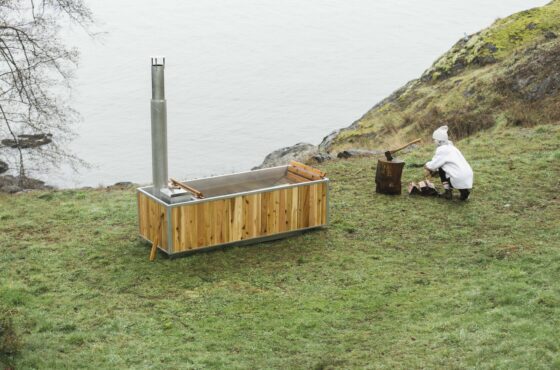
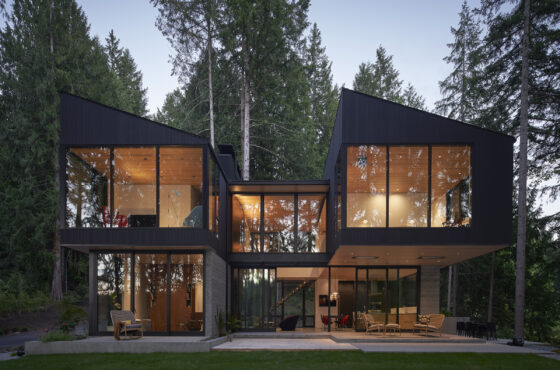
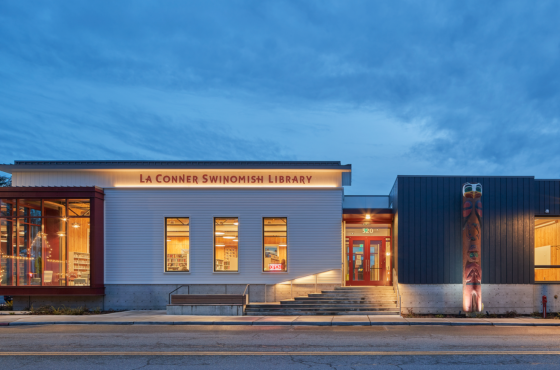
Mahya Salehi Studio & Syndicate Smith on Custom Builder
Tech-Industry Clients Don’t Want What You’d Think
They’ll read every page of your construction documents, then ask for a house with no visible tech. What they want behind the walls is another story.
Key Highlights
Tech clients are typically in their 30s to 40s, seeking lifestyle upgrades and often building in better neighborhoods or away from city centers.
They are highly involved in every detail of the design process, using tools like BIMx models to explore and scrutinize their homes thoroughly.
These clients value clear communication, structured project management, and are accustomed to high standards of expectation and feedback.
Surprisingly, many prefer homes with minimal smart technology, favoring simplicity and reliability over the latest gadgets.
They focus on state-of-the-art building systems that ensure efficiency and comfort, such as backup energy and advanced mechanical systems, rather than flashy automation.
Tech-industry clients building their dream homes today are not your average clients.
“Our construction document sets can be 160 pages long, [and] most of our clients don’t want to read through that,” says David Stone of Tim Barber Architects in Beverly Hills, Calif. “But our tech clients have always asked for the entire set. They read every line and they come back to us with questions.”
Who are these well-read clients, what’s it like working with them, and what do they want in a home?
On the surface, they want a home that reads as “dumb.” Behind the scenes, they want genius. Understanding that tension, and the underlying desires driving it, is the key to working with them successfully.
The tech client is seeking a lifestyle upgrade, or an escape
This person is typically someone in their mid-30s to early 40s, established in their career and clear on their priorities, building their next home as a deliberate step up, a lifestyle upgrade.
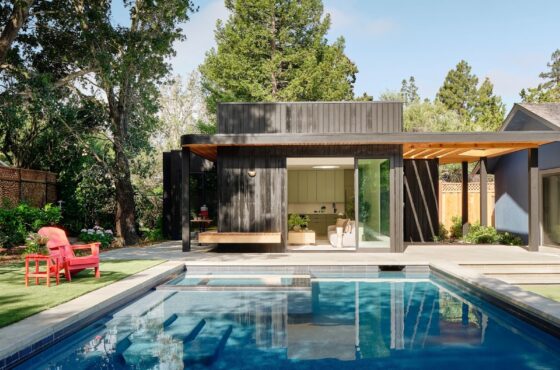
“We’re seeing a much younger demographic with tech clients,” says Mahya Salehi of the California Bay area-based architecture and interior design firm Mahya Salehi Studio. “There’s definitely a wealth in earlier years than we see with other client types like doctors and lawyers. What we’re really seeing is people relocating within the same community, but into a better neighborhood or a house with more square footage and a backyard.”
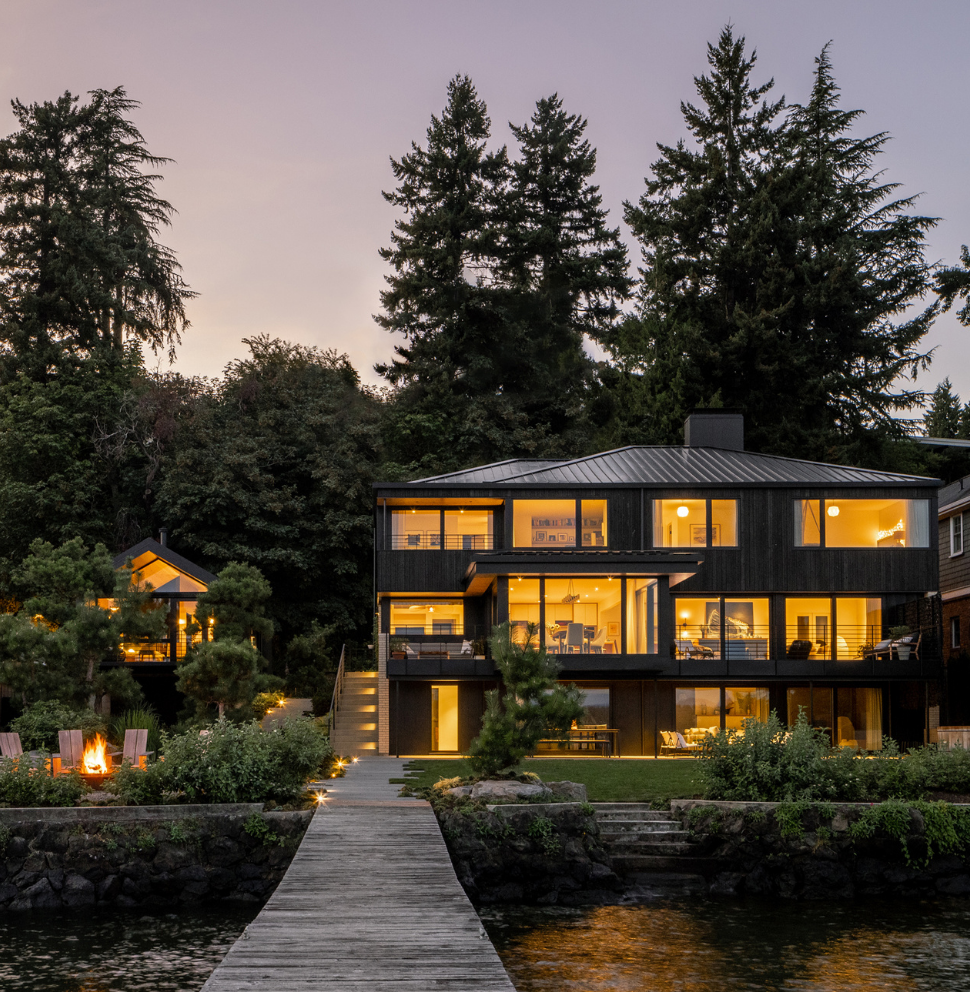
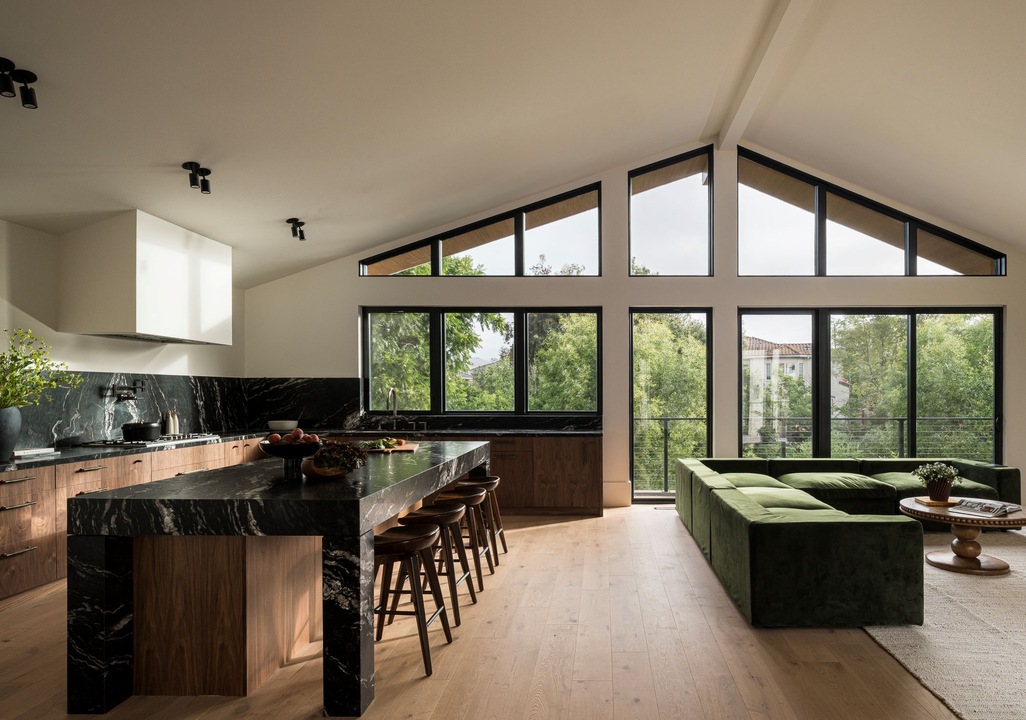
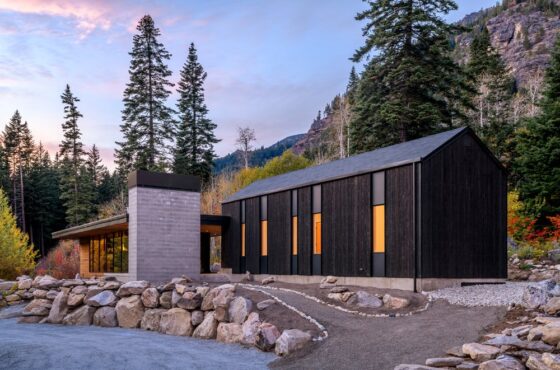
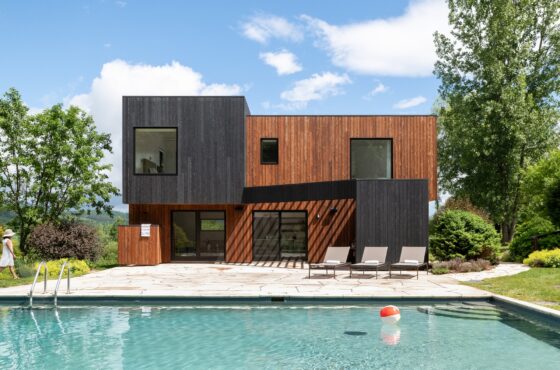
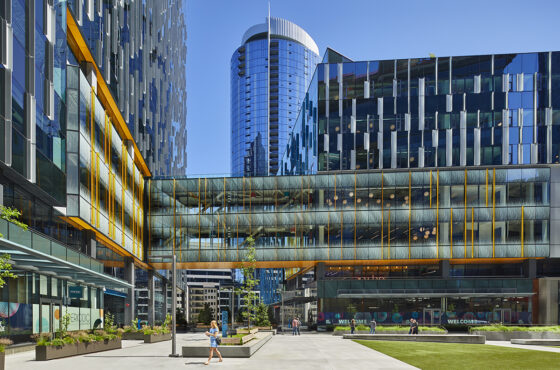
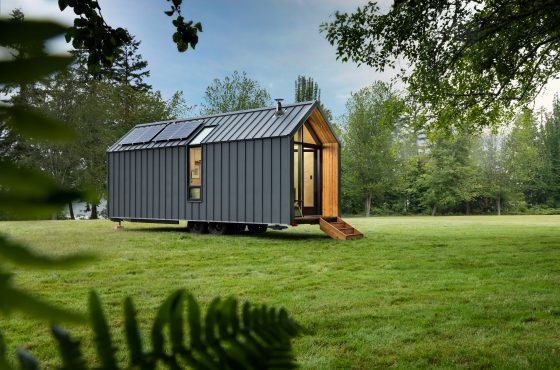
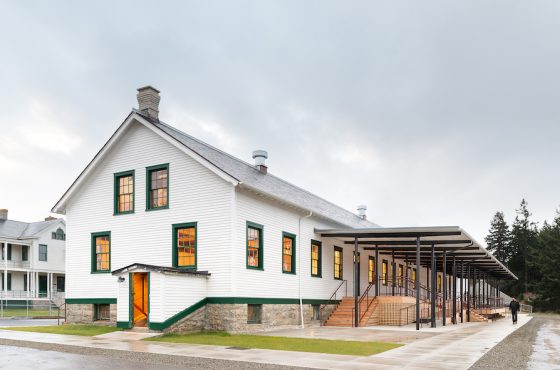
Courtesy of Syndicate Smith
Photo: Will Austin
The household often comes with an extended support network. “We see a lot of immigrant community in the tech sector where parents will visit for months at a time,” Salehi says. “So we’re seeing a lot of multi-generational living and also au pairs and nannies—all the support systems that come with being busy, successful individuals.”
Some tech clients are building away from the city entirely, says Todd Smith of architecture firm Syndicate Smith in Leavenworth, Wash. “It’s mostly those folks that are deep into it,” he says, referencing to the intensity of their careers. “That escape is necessary. They’re thinking about what is next after they complete their journey in the tech industry.”
The tech client is eager and involved
As the bridge between high-level strategy and technical implementation in their companies, tech executives need both an eye for detail and a mind for systems. Bringing that combination into the design space, you get a client who is involved in every aspect of creating their dream home.
“It does require a different level of interaction than your average client. They want to know all of the details of the house versus just wanting to know the basic look,” says Stone. “They engage with us on the shapes, textures, colors, the hardware, the feel, and comfort of the home to a very interactive degree. We love working with them because of that.”
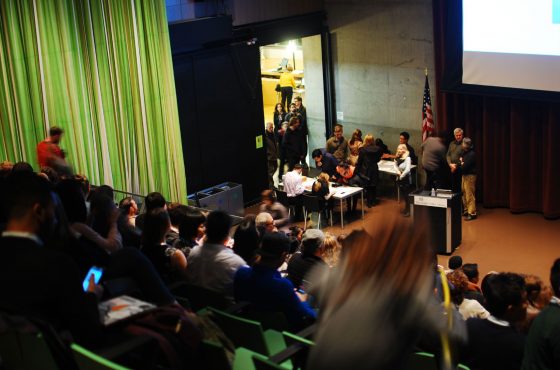
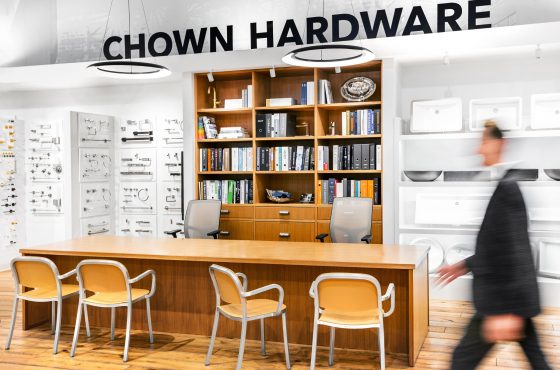
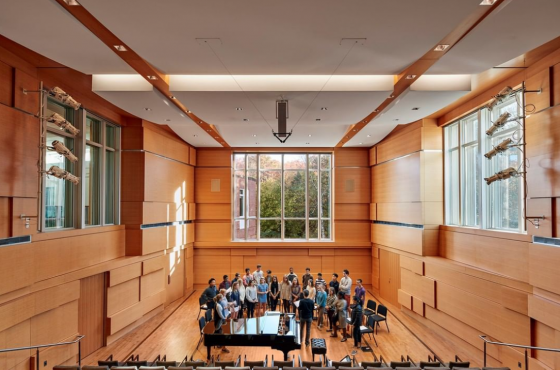
Courtesy of Tim Barber Architects
Tech-industry clients often engage deeply with every design decision, from materials and detailing to how a space feels and functions day to day.
These clients are eagerly using all the tools they’re given.
“Having BIMx models that they can use to explore their project on a regular basis is something that our firm does for all of our clients,” says Esther Alva of the Los Angeles-based architecture and landscape architecture firm KAA Design. “But I think our tech clients enjoy it more. They really get in there. They look at the details, they think about the underlying systems of the home and how they are going to fold into the design. They want to know how everything’s coming together.”
These clients bring tech-industry norms to the design world
“We sense a best-practice level of communication with all of these clients,” notes Smith. “They talk about expectations, actionability, and what comes next. It’s very much treated like project management from their end.”
Tech clients aren’t shy about giving feedback, asking questions, or making requests. They bring a high level of scrutiny to the process, but with a collaborative attitude. “Sometimes it comes across as way too assertive, but I think it’s really great,” Smith says. “It’s very clear, succinct, and solution-oriented.”
“To someone who has not worked with this industry, it could feel a little [like] micromanaging,” Salehi says. “But you just need to be open and meet people where they are.”
Designing for tech client means adding structure to the process
Since tech clients tend to be more analytical, they appreciate a linear, well-structured process, says Brett Moyer of Richard Beard Architects in San Francisco. “How we respond to that is to show them a roadmap of our design meetings so they can see what we’re going to present and when.”
It’s a fundamentally poetic thing to create a home for yourself, Moyer adds, but that’s not incompatible with good project management. “I don’t see that as exclusive to having a well-run project with accurate project management notes that reflect the decisions that are made,” he says, “providing them with pricing information from the contractor early and often.”
Tech clients are opting out of smart home technology
Given their profession, you might assume these clients would want the smartest home in the neighborhood. But that’s not necessarily true.
“Interestingly enough, our clients in the tech industry specifically ask to not have a smart home. They want something that’s very simple and easy for them to live in,” Stone shares.
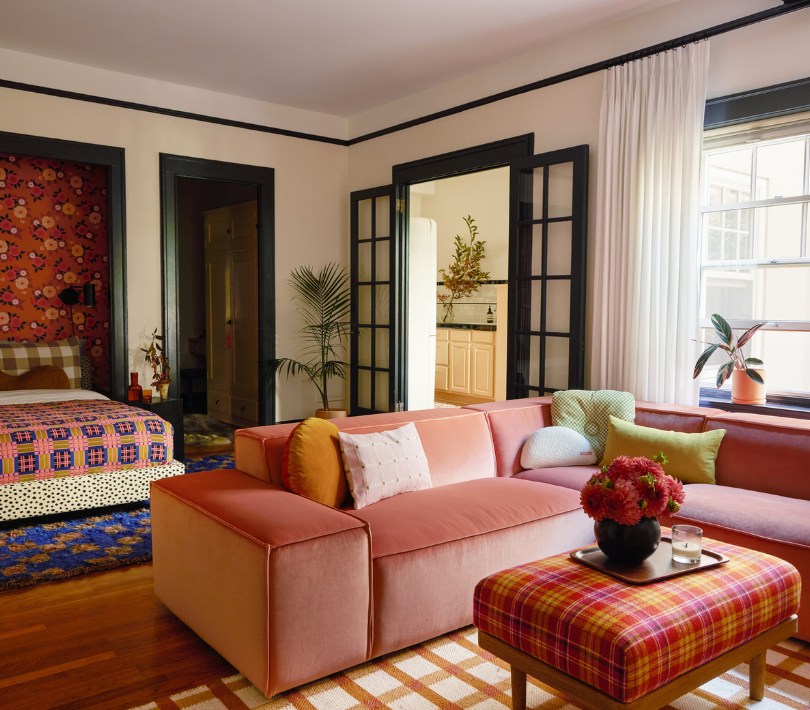
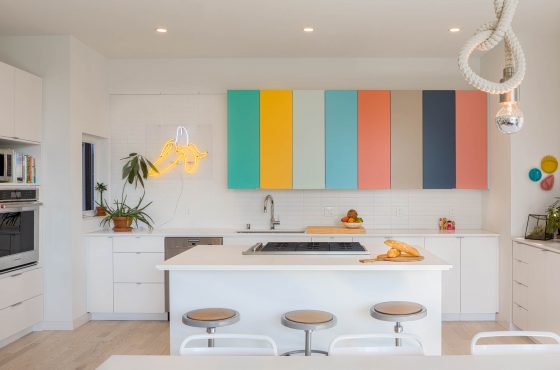
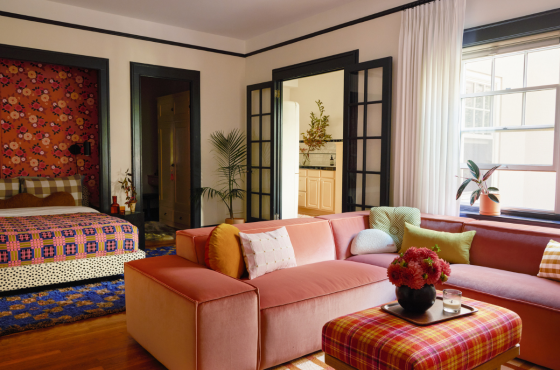
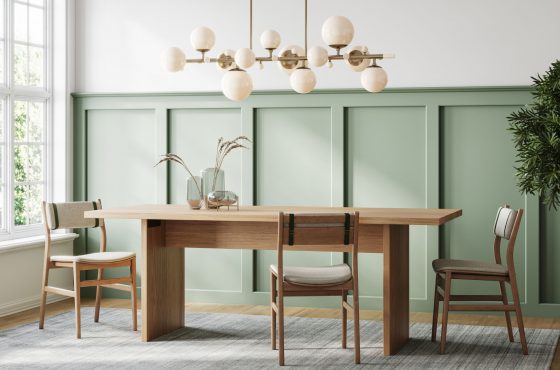
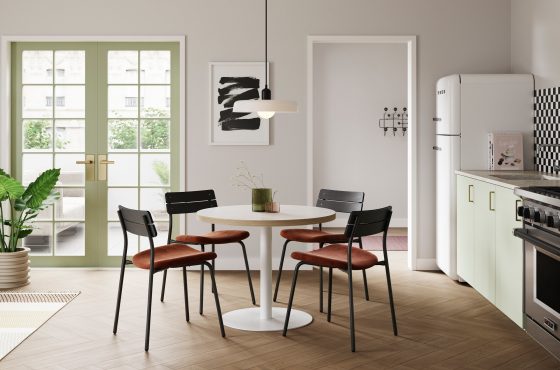
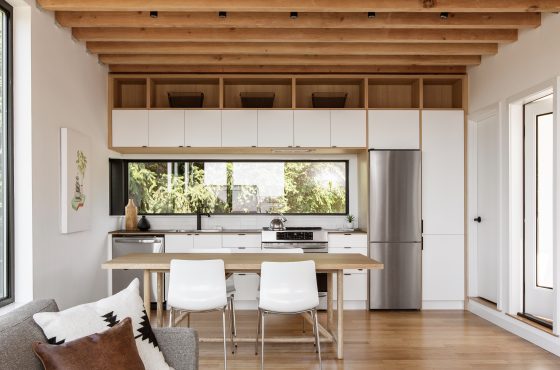
Courtesy Mahya Salehi Studio
Clients who spend their days immersed in technology often prefer homes where the technology fades into the background.
Clients who deal with tech all day long don’t want to come home and log into an app to change the lights. They don’t want to troubleshoot a whole-house sound system. A reliable dimmer switch on the wall and a simple Bluetooth speaker will do.
“They deal with tech every day. Some of them just want a really dumb house,” Salehi says.
These clients are also acutely aware of how quickly technology changes. Something that was all the rage ten years ago might be obsolete now—like built in USB ports, Salehi notes. “They don’t really see the logic in building some system into their house that might be obsolete in a few years.”
But this doesn’t mean they reject technology for their homes altogether.
Tech clients want state-of-the-art building systems
“We do a lot of tours when our clients are picking a contractor, and our tech clients seem to love seeing the mechanical room,” says Moyer. “It’s a bit like walking into a chip factory. They’re usually very clean, very organized. They’re bigger than you would ever guess; they take over whole thirds or quarters of a basement.”
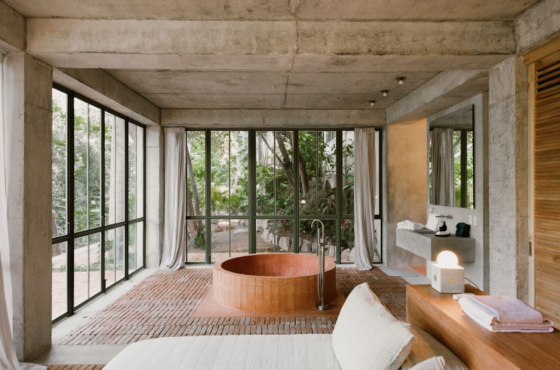
Courtesy Richard Beard Architects
For many tech clients, state-of-the-art mechanical systems matter more than smart home features.
These mechanical rooms might include backup energy systems, backup Wi-Fi, systems that coordinate fresh air with cooling, and other important infrastructure the homeowner never has to think about.“I think our tech clients have a keen interest in making sure those building systems are state of the art,” Moyer says. “When it comes to how the homes operate, they seem to be leaning in hard to the technology.”
Some automations do appeal, like preset temperatures and humidity stats. Not smart home features, exactly, just background systems that lighten the homeowner’s mental load. “They’re being smart—no pun intended—about what makes sense and what would actually be functional.”
“They want to make sure they’re investing in the right systems,” Alva adds. “It’s the distinction between a tricked-out kind of home and just a home that’s genuinely intelligent.”
For the tech client, it’s about prioritizing what matters
A home that’s smart behind the scenes but simple to live in makes sense for this client. They need the infrastructure and technology that let them work and move through daily life comfortably, and a space that supports the rest.
“If you can create the most comfortable shelter but the most immersive experience into the outside, if you can sit in the space and just ponder and dream, it’s really kind of a dry erase board for your soul,” Smith says.
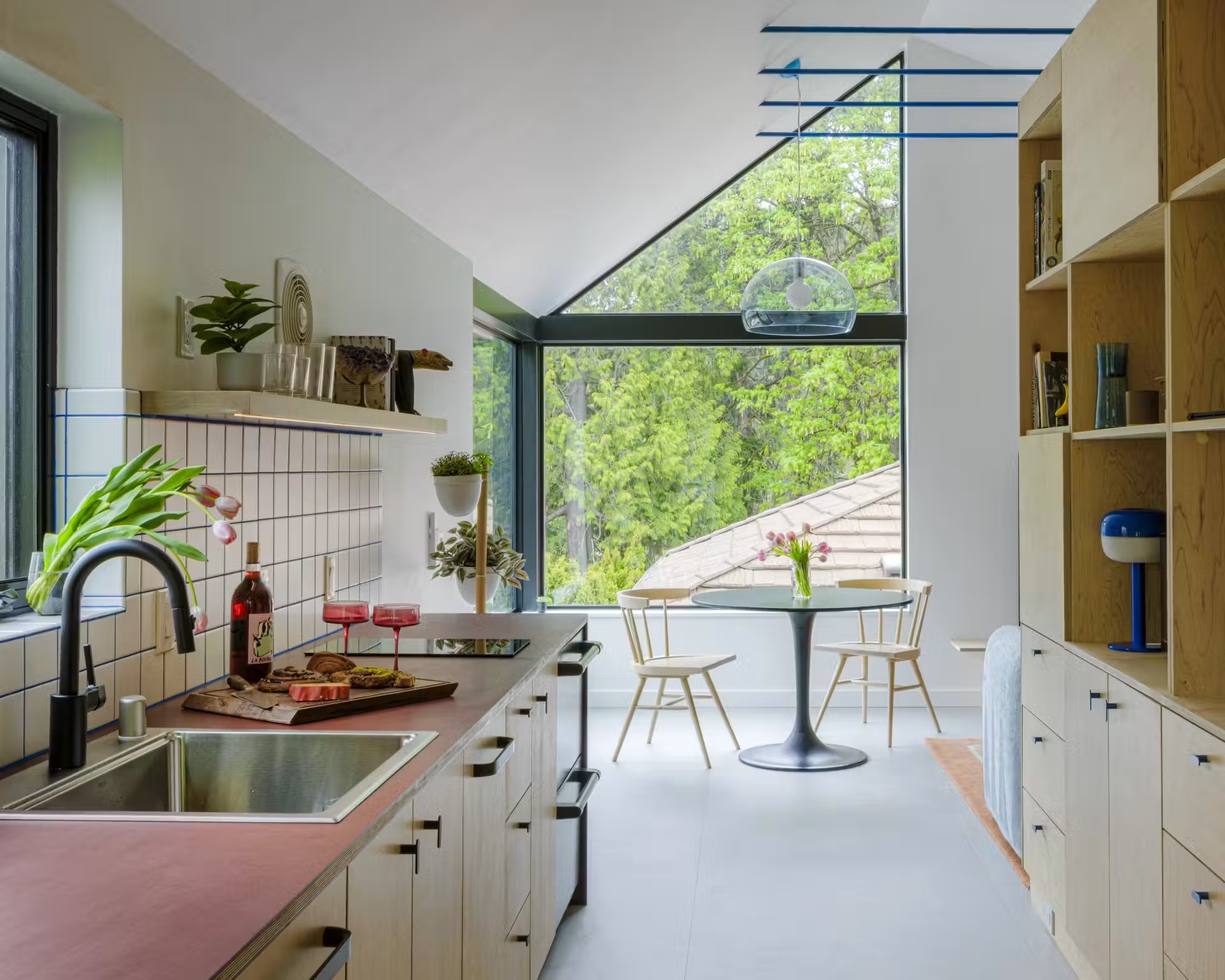
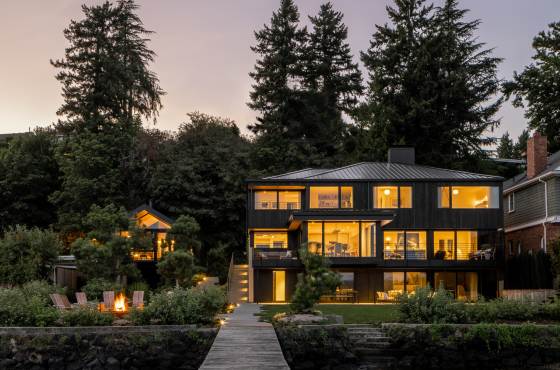
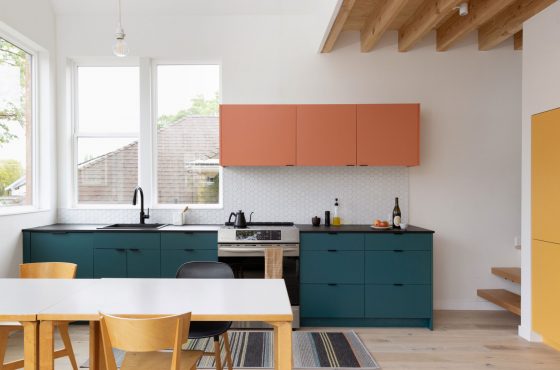
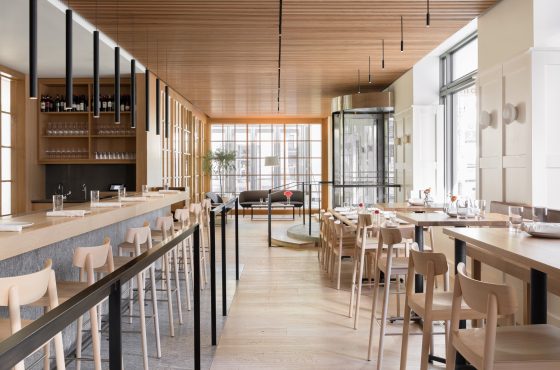
Photo Will Austin
Many tech-industry clients want homes that are smart behind the scenes, but centered on the idea of comfort and life beyond the screen. [Photo: Will Austin]
“It’s interesting to me that the more tech is integrated into our lives, there is a counterpoint to that, where our clients seem to be a lot more interested in things that are more real,” Moyer says. “We’re living in a world where AI can do so many things, and probably everyone’s using it, yet they seem to get the most excited talking about stone and wood or views from their window, and designing a home for reading or cooking or entertaining. They seem to be retreating a little into a more authentic, meaningful home life.”
We’re inspired by diverse design perspectives, innovation, technology, art, and the world around us. We live for the chance to create and disperse powerful, genuine messages that resonate.
Tessa graduated from Fordham University in New York with a dual bachelor's degree in Communications and Political Science. During her time at Fordham, she worked for an interior designer and at NBC News where she developed her love for both design and communications. After graduating, Tessa managed marketing at 3form, a pioneer in the sustainable building products industry. During her tenure, 3form was repeatedly named one of the most recognized manufacturers in the design industry among architects and designers, and the company won multiple awards for its innovative product launches. After 3form, Tessa consulted on marketing efforts with leading product manufacturers in architecture and design before starting Paxson Fay with Amy.
Originally from Seattle, Amy left her home in the Pacific Northwest to attend Fordham University, fulfilling her dream of living in New York City. After graduating with a BS in business administration, specializing in marketing and minoring in economics, Amy began her career in advertising sales at CNN and the Hallmark Channel in New York and LA. However, Amy’s love of writing, design, and connection with people ultimately led her to PR. While finishing her MBA back home at Seattle University, in 2015, Amy cofounded Paxson Fay with her friend and business partner, Tessa, driven by a shared vision to build a PR agency that reflected their values and passions. At Paxson Fay, Amy thrives in media relations and pitch development, enjoying the process of diving deep into each client’s story to craft compelling narratives that resonate with editors and journalists. Amy has a particular passion for architecture-focused projects, and securing SHED’s feature in The New York Times was an especially rewarding moment, as they were her first client. Another major career milestone was helping build out Paxson Fay’s talented team, fostering an environment where young professionals can grow their skills and pursue their passions. Outside of work, Amy loves spending time with her family, chasing after her two little boys, exploring Seattle’s restaurant scene, traveling with friends, and reading.
After graduating from Fordham University in New York City with a major in Communications and Media Studies and a handful of marketing and PR internships, Colby moved to Boston to manage marketing for a small, women-owned, creative consulting agency. While in that role, Colby managed public relations and marketing efforts for some of Boston's most prominent events and public art initiatives, including the Boston Pickle Fair and The Bulfinch Crossing Projections in downtown Boston. Colby gained experience crafting brand stories and identities through social media marketing and creative copywriting, seen through the successful launch of a premier Massachusetts adult-use dispensary and the revamp of her agency's own website. After two years, Colby decided it was time to figure out what the West Coast was all about. Looking to blend her marketing experience with her passion for design and architecture, Colby found Paxson Fay, where she focuses on social media strategy and management and public relations.
As a child, Paige wanted to be an architect; but after falling in love with storytelling, the power of words, and yes, the show West Wing, she decided to pursue journalism at The George Washington University in the nation’s capital. Following graduation, Paige crafted communications for the beauty and banking industries. Craving space for creativity, she joined the small team that would reopen the congressionally designated National Children’s Museum. There, she played an integral role in establishing the museum’s brand, bringing it to life across digital channels, including social media, email, and advertising. After nearly eight years in DC, she decided it was time for a change of scenery. Having grown fond of the title Washingtonian, she made the cross-country move to Washington State. She landed in Seattle at Paxson Fay, where in true full circle fashion she is the architect of social media and public relations strategies for our architecture and design clients.
Martina joined the Paxson Fay team as an intern when she was a senior at the University of Washington. After graduating with a bachelor’s degree in Journalism and Public Interest Communications, Martina is now continuing with the team as a Communications Assistant. During her time at UW, Martina worked as the Special Sections Editor at the university’s newspapers where she won multiple awards for her front page spreads. Looking to blend her minors in real estate and environmental science with her focus in communications, Martina is passionate and excited to join the Paxson Fay team.
With roots in Napa and Denver, Tara ventured to the Pacific Northwest to pursue her academic journey at the University of Washington, where she graduated with a bachelor’s degree in Communication and Education. Tara's love for writing began when she delved into songwriting, building on her pre-existing passion for singing and playing the piano. Following her undergraduate years, she returned to Paxson Fay, where she had previously interned, transitioning into the role of Communications Assistant. With a keen interest in PR and social media, Tara seamlessly integrates her creative flair into the professional realm. Outside of work, you'll find Tara passionately supporting the Kraken, embodying her love for both storytelling and sports.
Growing up in the Bay Area, Jamie made her way to the Pacific Northwest to attend the University of Washington, where she graduated with a bachelor's degree in Communications and Psychology. Jamie first joined the Paxson Fay team as an intern during her senior year at the University of Washington and is excited to continue her journey with the team as a Communications Assistant. With a passion for writing and social media, Jamie is excited to bring her creativity and unique perspective to the role. Outside of work, you can find Jamie exploring local restaurants or picking up a good book.
Internships
PR & Digital Interns
We are hiring for our internship program! We are looking for an intern with a passion for design to help manage key communication channels. Click here to read more.
Subscribe to our newsletter
Get to know our latest news and updates.
Main content
what we do
We are a communications firm founded in our passion for good design. Our unique approach to marketing and public relations in the architecture and design community has elevated our clients work to the next level. We’re backed by a talented community of creatives. From copywriters to social media experts, we provide a complete package of customized services. We strive to create a personal experience with each client, integrating teams and tackling your biggest marketing and public relations challenges from a high level. Then we help execute those plans ensuring lots of reporting along the way, with lots of coffee breaks in between because we’re from Seattle and that’s what we do.
marketing
marketing strategy
brand strategy
project management
partnerships acquisition and management
e-mail blasts
public relations
media strategy
content production
media communications and outreach
awards: strategy, content development and submissions
social
platform strategy and management
content production
targeted campaigns
results + reporting
advertising
advertising strategy
budget strategy + negotiation
calendar management
creative coordination
content
storytelling
copywriting
website and e-mail marketing
video: sourcing, storyboarding and scheduling
photography acquisition + curation
events
event management
sponsorships + partnerships
tradeshow coordination
press tours
Subscribe to our newsletter
Get to know our latest news and updates.
Main content
clients
Here is a little taste of who we love to work with and what we love to do.