Paxson Fay is a full-service marketing and public relations firm specializing in the architecture, design, and arts industries.
Paxson Fay
4770 Ohio Ave S
Ste B
Seattle, WA 98134
info@paxsonfay.com
HKP Architects’ Mount Vernon Library on gb&d

HKP Designed Mount Vernon Library Commons to Redefine Sustainability in Small Cities.
Mount Vernon, Washington, is a small city of just over 36,000 people, nestled in the heart of the Skagit Valley along the I-5 corridor between Seattle and Vancouver, British Columbia. Known more for tulip fields and agricultural heritage than cutting-edge infrastructure, Mount Vernon isn’t the kind of place most people associate with ambitious civic design or bold climate action. But that’s exactly what makes the Mount Vernon Library Commons (MVLC) so important.
Located in a federally designated Justice40 community—where residents have historically faced disproportionate environmental and economic burdens—Mount Vernon made a deliberate choice to invest in a resilient, inclusive, and forward-thinking public project. This is not a big city project backed by a private developer or delivered through a design-build partnership. It’s a publicly funded, publicly bid civic facility that challenges long-held assumptions about what small communities can accomplish.
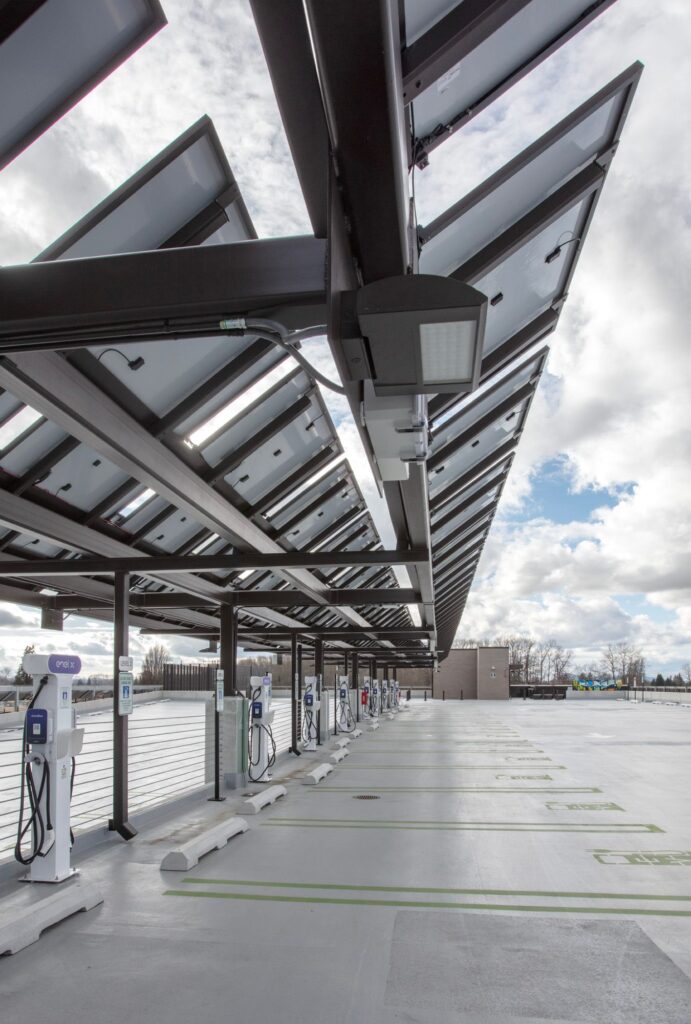
When HKP Architects was selected to design MVLC—the city’s first new construction project in more than 20 years—we saw an opportunity to raise the bar for what public architecture could be. The building brings together a public library, community center, commercial kitchen, structured parking, and the largest public EV charging station in the country, all in one highly efficient, all-electric facility. It is also one of the first publicly bid projects in the United States to pursue Passive House certification.
From the outset the City of Mount Vernon made it clear that this project needed to do more than just serve immediate needs. It needed to model what smart, sustainable, community-centered design looks like, without requiring a major metropolitan budget. It was a chance to show that even in a small, rural city, it’s possible to create buildings that lead on climate, equity, and long-term value.
Passive House in the Public Sector

We pursued Passive House certification because we believe the most meaningful way architects can address climate change is by reducing a building’s energy use—and by extension, its carbon emissions—through both design and performance. Passive House provides one of the most efficient and impactful paths to achieving that. It also supports better air quality, thermal comfort, and acoustics, which are important performance goals in any public building.
Achieving Passive House on a publicly bid project required detailed documentation and extensive coordination with trades unfamiliar with the standard. There was a learning curve, but with clear communication and consistent onsite collaboration, the project team met the challenge. The resulting energy use intensity (EUI) of 12—far below the Washington State Energy Code maximum of 47—and blower door test results four times better than required are evidence of what’s achievable, even within the constraints of public procurement. Achieving this required a tightly coordinated building envelope, high-efficiency mechanical systems, and a commitment to reducing both operational and embodied carbon from the earliest stages of design. It means lower utility costs over time, increased comfort, and a significant reduction in climate impact for the city.
Reducing Carbon Where It Counts
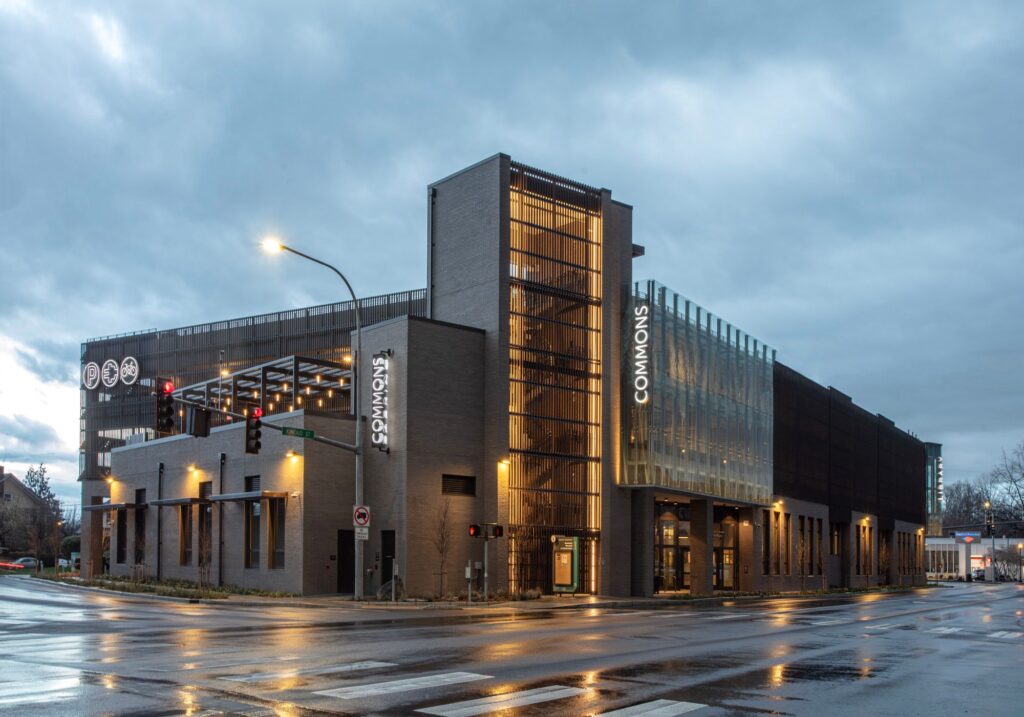
Given the project’s size and structural needs, concrete was the most appropriate material. But we also recognized its carbon impact, comprising 55% of the structure by volume. Through careful specification and collaboration with suppliers, we aimed to reduce the Global Warming Potential (GWP) of the concrete by 30 to 35%, primarily by minimizing cement content and incorporating alternative materials like fly ash, slag, and limestone. In total the project achieved a remarkable 41% GWP reduction in the concrete work over typical construction.
This work not only reduced the project’s environmental impact but also helped bring awareness of embodied carbon to our broader project team, including local trades and suppliers.
Centered on Community


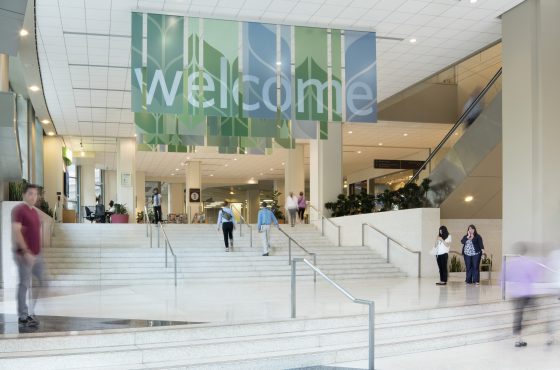
MVLC is a multi-functional space designed for flexibility, accessibility, and longevity. It includes library areas for children, young adults, and adults; meeting rooms; and flexible commons for events and informal gatherings. A second-floor terrace offers outdoor space for community use and highlights the historical development of modes of travel along the I-5 corridor. A rooftop deck provides expansive views of downtown Mount Vernon and the Skagit River.
One of the more distinctive features is the commercial kitchen, which can be used by caterers during events, by the library for cooking demonstrations, or rented by local entrepreneurs to develop value-added agricultural products and other locally made goods. It was also designed to support future Meals on Wheels operations and serve as a community kitchen in times of emergency. Thanks to its Passive House performance, the building can function as a temporary shelter during severe weather events.
The EV infrastructure—combined with structured parking and proximity to Skagit Station—serves as a major economic driver for downtown. It supports clean mobility, attracts visitors to shop and dine, and provides parking to accommodate future housing development.
Impact Beyond Mount Vernon

This $61 million project was funded through approximately 20 sources, including a $12.5 million grant from the Bipartisan Infrastructure Law and a TIFIA loan from the US Department of Transportation, making it the first transit-oriented development in the country to receive such a loan. All of this was accomplished without raising local property taxes.
As a project that brings together sustainability, multimodal access, and community infrastructure in one facility, MVLC offers a clear example of what’s possible when design, funding, and policy are aligned. It shows that with the right vision and commitment, public projects can lead on climate action, equity, and long-term community value, regardless of location or size.
What It’s Like to Be There

Our goal with any project is for the design to feel intuitive, where people understand how to move through the building without needing signage, and where the spaces feel welcoming and clear. At MVLC that clarity of circulation is paired with consistent thermal comfort, natural daylight, and a restrained palette of materials and finishes that feel grounded and calm.
If I had to choose a favorite space, it would be the first-floor commons. It’s where people arrive, meet, and start exploring. It embodies the project’s purpose: to bring people together, support learning, and reflect the values of a community that chose to invest in its future.


Clients in the News
Main content
meet the team
We’re inspired by diverse design perspectives, innovation, technology, art, and the world around us. We live for the chance to create and disperse powerful, genuine messages that resonate.

tessa franchini
principal
tessa@paxsonfay.com
Tessa graduated from Fordham University in New York with a dual bachelor's degree in Communications and Political Science. During her time at Fordham, she worked for an interior designer and at NBC News where she developed her love for both design and communications. After graduating, Tessa managed marketing at 3form, a pioneer in the sustainable building products industry. During her tenure, 3form was repeatedly named one of the most recognized manufacturers in the design industry among architects and designers, and the company won multiple awards for its innovative product launches. After 3form, Tessa consulted on marketing efforts with leading product manufacturers in architecture and design before starting Paxson Fay with Amy.
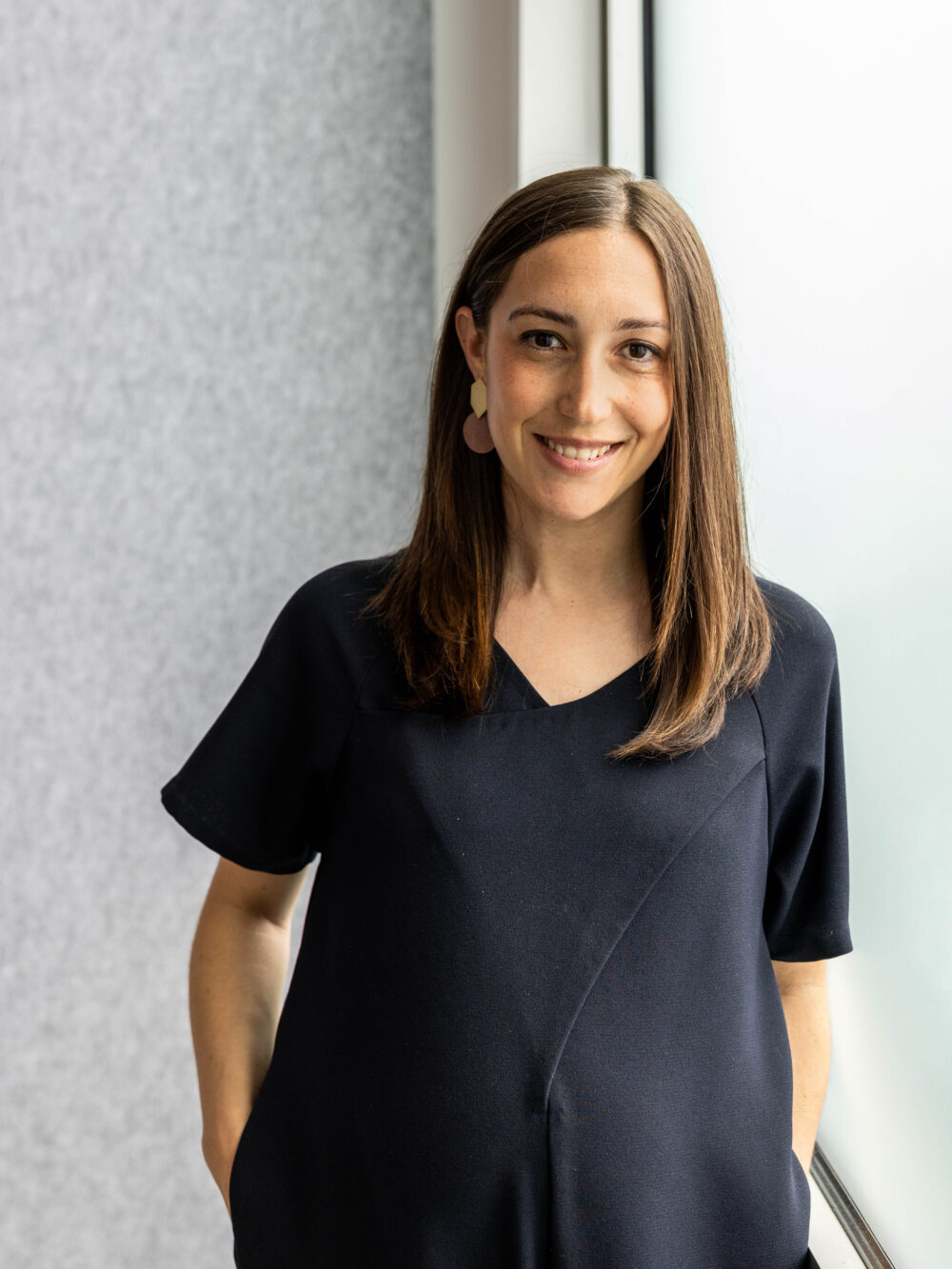
amy golden
principal
amy@paxsonfay.com
Originally from Seattle, Amy left her home in the Pacific Northwest to attend Fordham University, fulfilling her dream of living in New York City. After graduating with a BS in business administration, specializing in marketing and minoring in economics, Amy began her career in advertising sales at CNN and the Hallmark Channel in New York and LA. However, Amy’s love of writing, design, and connection with people ultimately led her to PR. While finishing her MBA back home at Seattle University, in 2015, Amy cofounded Paxson Fay with her friend and business partner, Tessa, driven by a shared vision to build a PR agency that reflected their values and passions. At Paxson Fay, Amy thrives in media relations and pitch development, enjoying the process of diving deep into each client’s story to craft compelling narratives that resonate with editors and journalists. Amy has a particular passion for architecture-focused projects, and securing SHED’s feature in The New York Times was an especially rewarding moment, as they were her first client. Another major career milestone was helping build out Paxson Fay’s talented team, fostering an environment where young professionals can grow their skills and pursue their passions. Outside of work, Amy loves spending time with her family, chasing after her two little boys, exploring Seattle’s restaurant scene, traveling with friends, and reading.
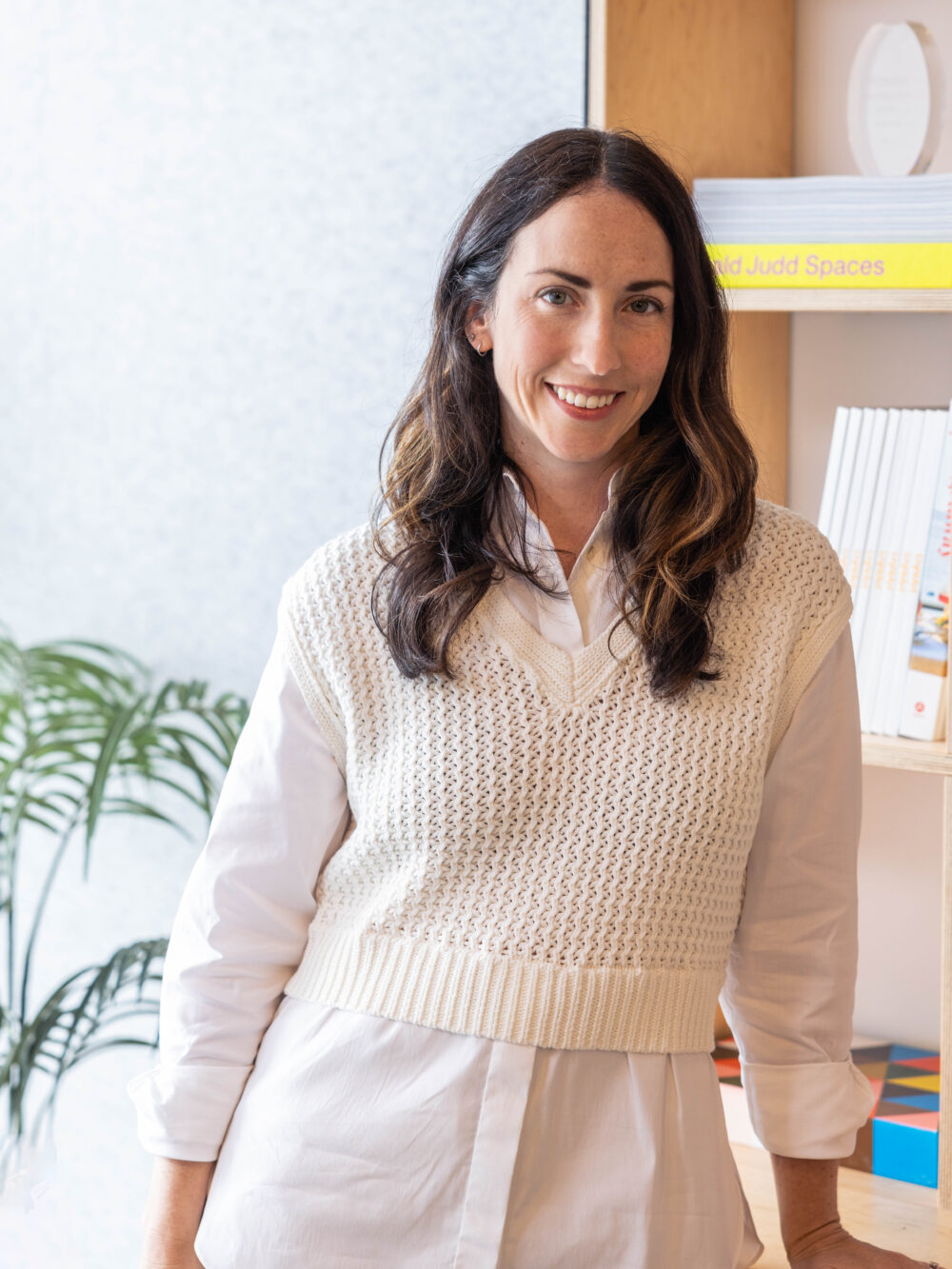
colby wood
account manager
colby@paxsonfay.com
After graduating from Fordham University in New York City with a major in Communications and Media Studies and a handful of marketing and PR internships, Colby moved to Boston to manage marketing for a small, women-owned, creative consulting agency. While in that role, Colby managed public relations and marketing efforts for some of Boston's most prominent events and public art initiatives, including the Boston Pickle Fair and The Bulfinch Crossing Projections in downtown Boston. Colby gained experience crafting brand stories and identities through social media marketing and creative copywriting, seen through the successful launch of a premier Massachusetts adult-use dispensary and the revamp of her agency's own website. After two years, Colby decided it was time to figure out what the West Coast was all about. Looking to blend her marketing experience with her passion for design and architecture, Colby found Paxson Fay, where she focuses on social media strategy and management and public relations.
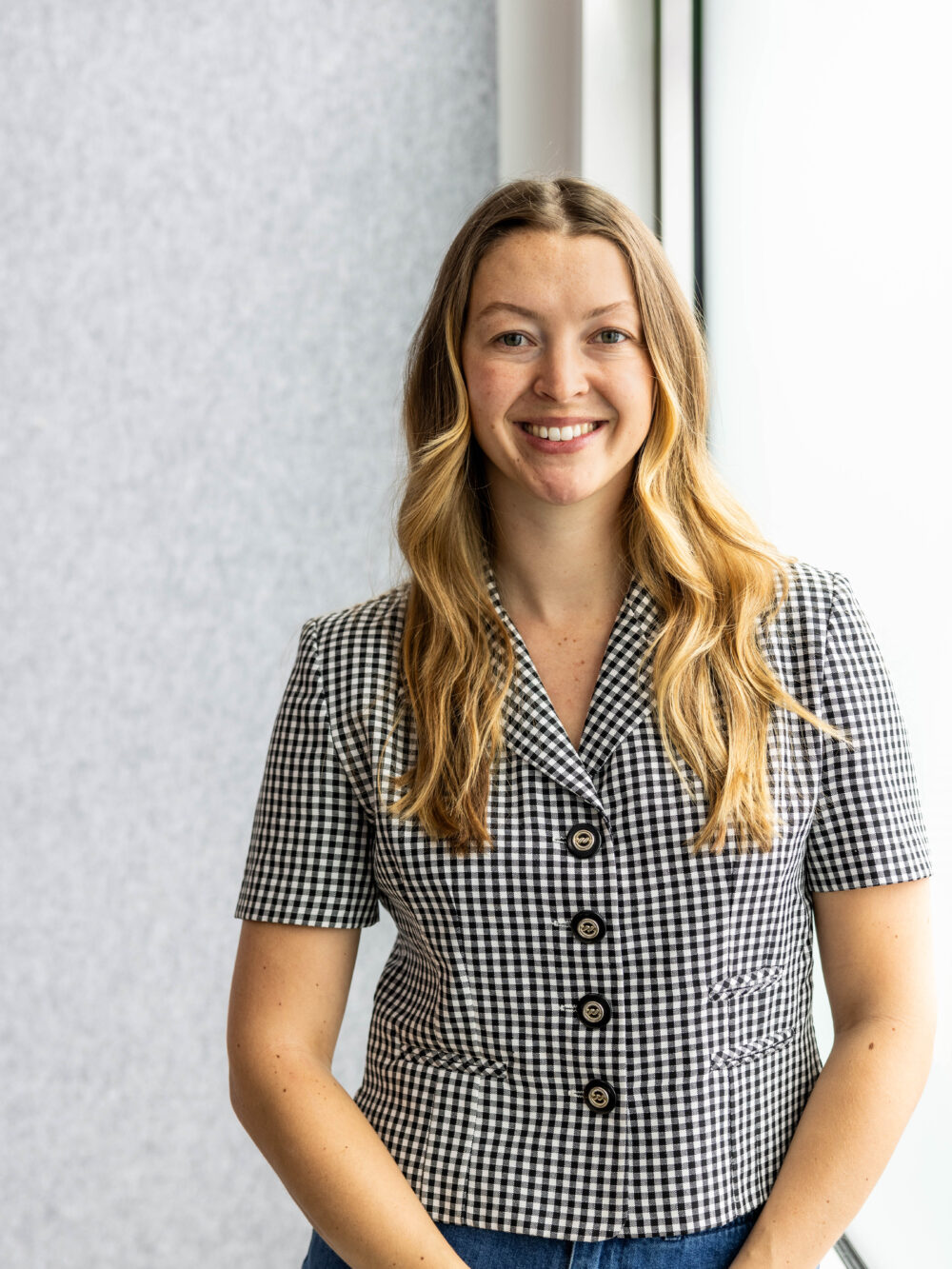
paige childs
senior account executive + digital lead
paige@paxsonfay.com
As a child, Paige wanted to be an architect; but after falling in love with storytelling, the power of words, and yes, the show West Wing, she decided to pursue journalism at The George Washington University in the nation’s capital. Following graduation, Paige crafted communications for the beauty and banking industries. Craving space for creativity, she joined the small team that would reopen the congressionally designated National Children’s Museum. There, she played an integral role in establishing the museum’s brand, bringing it to life across digital channels, including social media, email, and advertising. After nearly eight years in DC, she decided it was time for a change of scenery. Having grown fond of the title Washingtonian, she made the cross-country move to Washington State. She landed in Seattle at Paxson Fay, where in true full circle fashion she is the architect of social media and public relations strategies for our architecture and design clients.
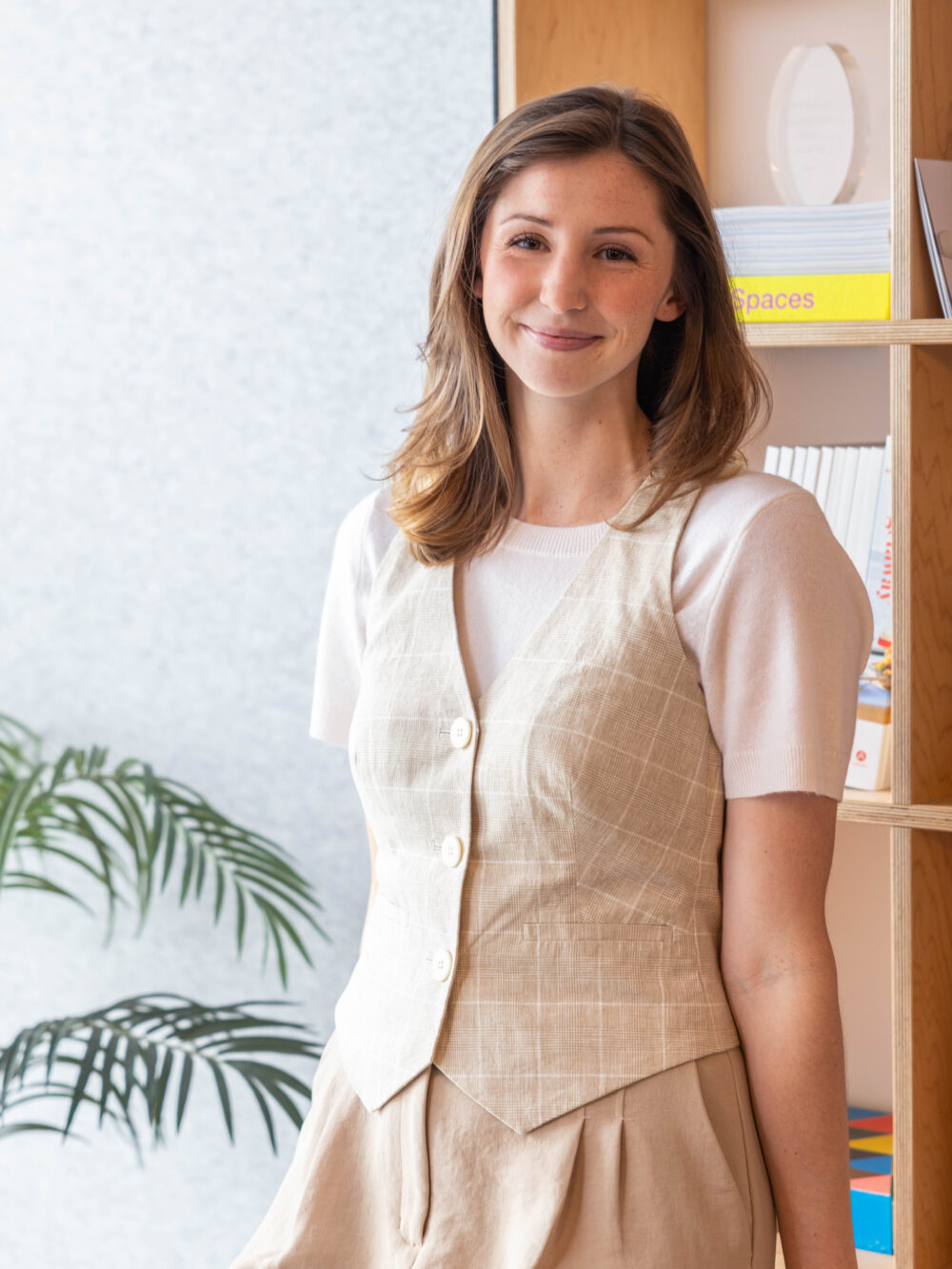
martina povolo
account executive
martina@paxsonfay.com
Martina joined the Paxson Fay team as an intern when she was a senior at the University of Washington. After graduating with a bachelor’s degree in Journalism and Public Interest Communications, Martina is now continuing with the team as a Communications Assistant. During her time at UW, Martina worked as the Special Sections Editor at the university’s newspapers where she won multiple awards for her front page spreads. Looking to blend her minors in real estate and environmental science with her focus in communications, Martina is passionate and excited to join the Paxson Fay team.
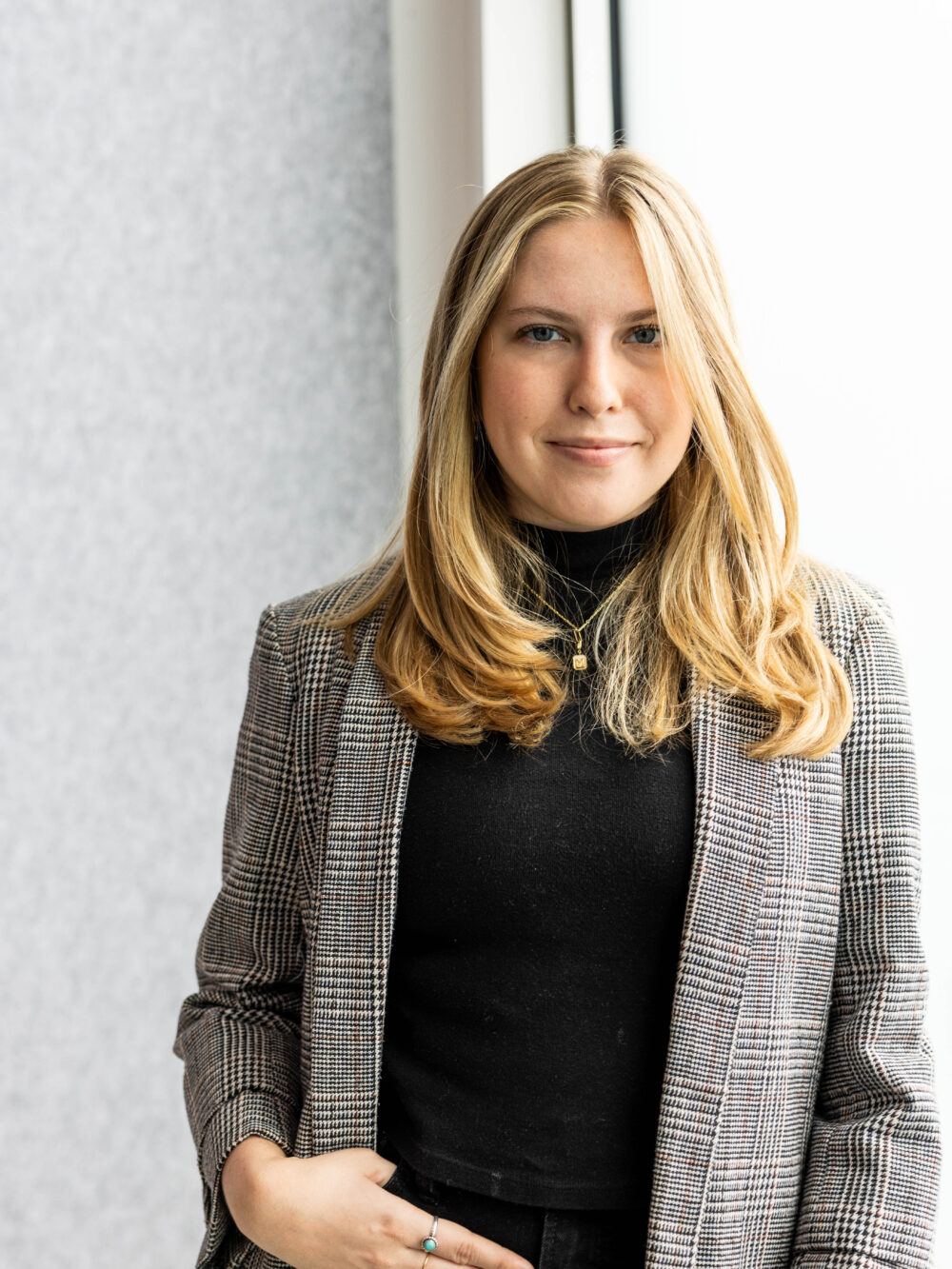
tara lyons
account executive
tara@paxsonfay.com
With roots in Napa and Denver, Tara ventured to the Pacific Northwest to pursue her academic journey at the University of Washington, where she graduated with a bachelor’s degree in Communication and Education. Tara's love for writing began when she delved into songwriting, building on her pre-existing passion for singing and playing the piano. Following her undergraduate years, she returned to Paxson Fay, where she had previously interned, transitioning into the role of Communications Assistant. With a keen interest in PR and social media, Tara seamlessly integrates her creative flair into the professional realm. Outside of work, you'll find Tara passionately supporting the Kraken, embodying her love for both storytelling and sports.
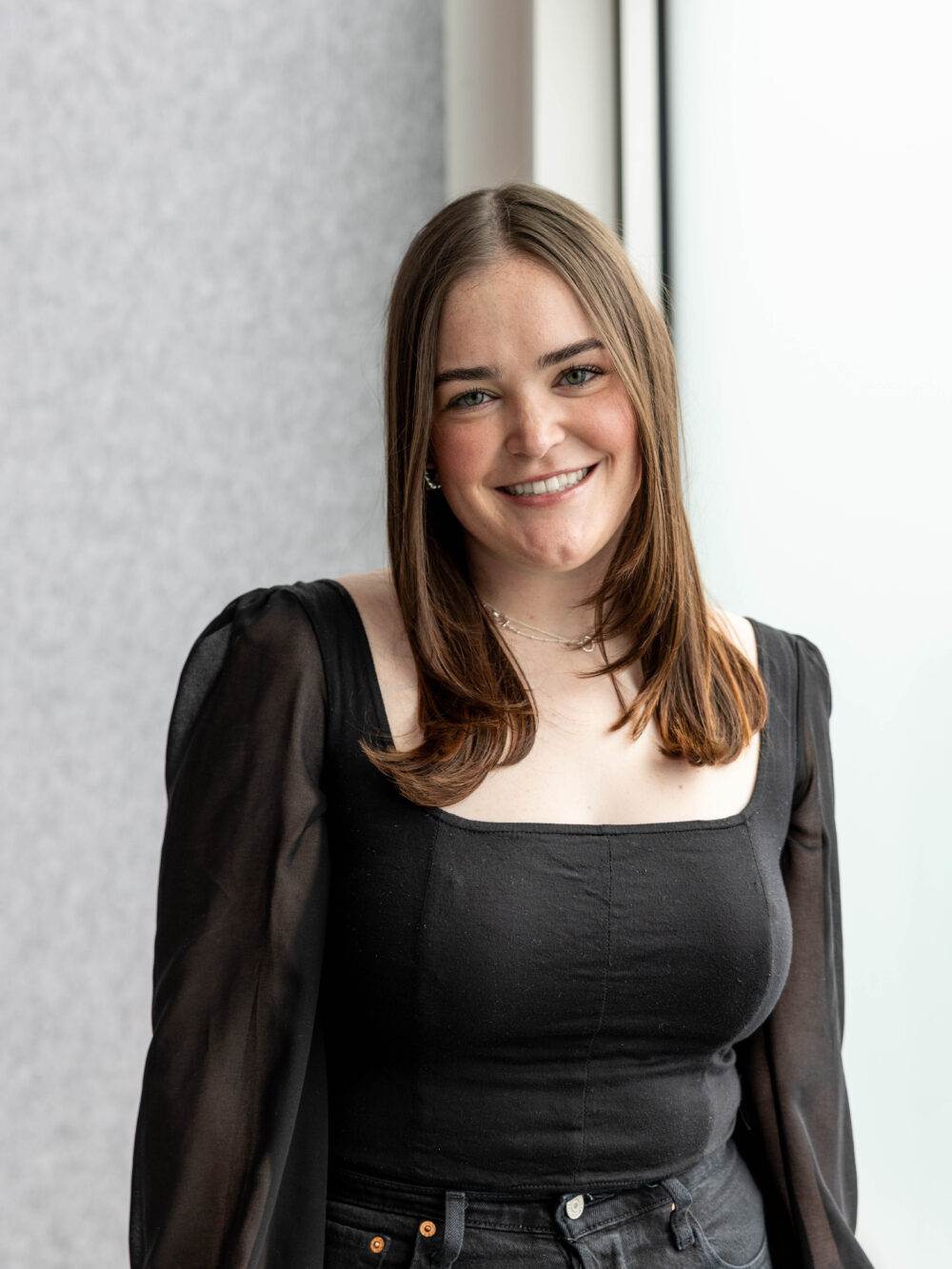
Jamie Paxton
Communications Assistant
jamie@paxsonfay.com
Growing up in the Bay Area, Jamie made her way to the Pacific Northwest to attend the University of Washington, where she graduated with a bachelor's degree in Communications and Psychology. Jamie first joined the Paxson Fay team as an intern during her senior year at the University of Washington and is excited to continue her journey with the team as a Communications Assistant. With a passion for writing and social media, Jamie is excited to bring her creativity and unique perspective to the role. Outside of work, you can find Jamie exploring local restaurants or picking up a good book.
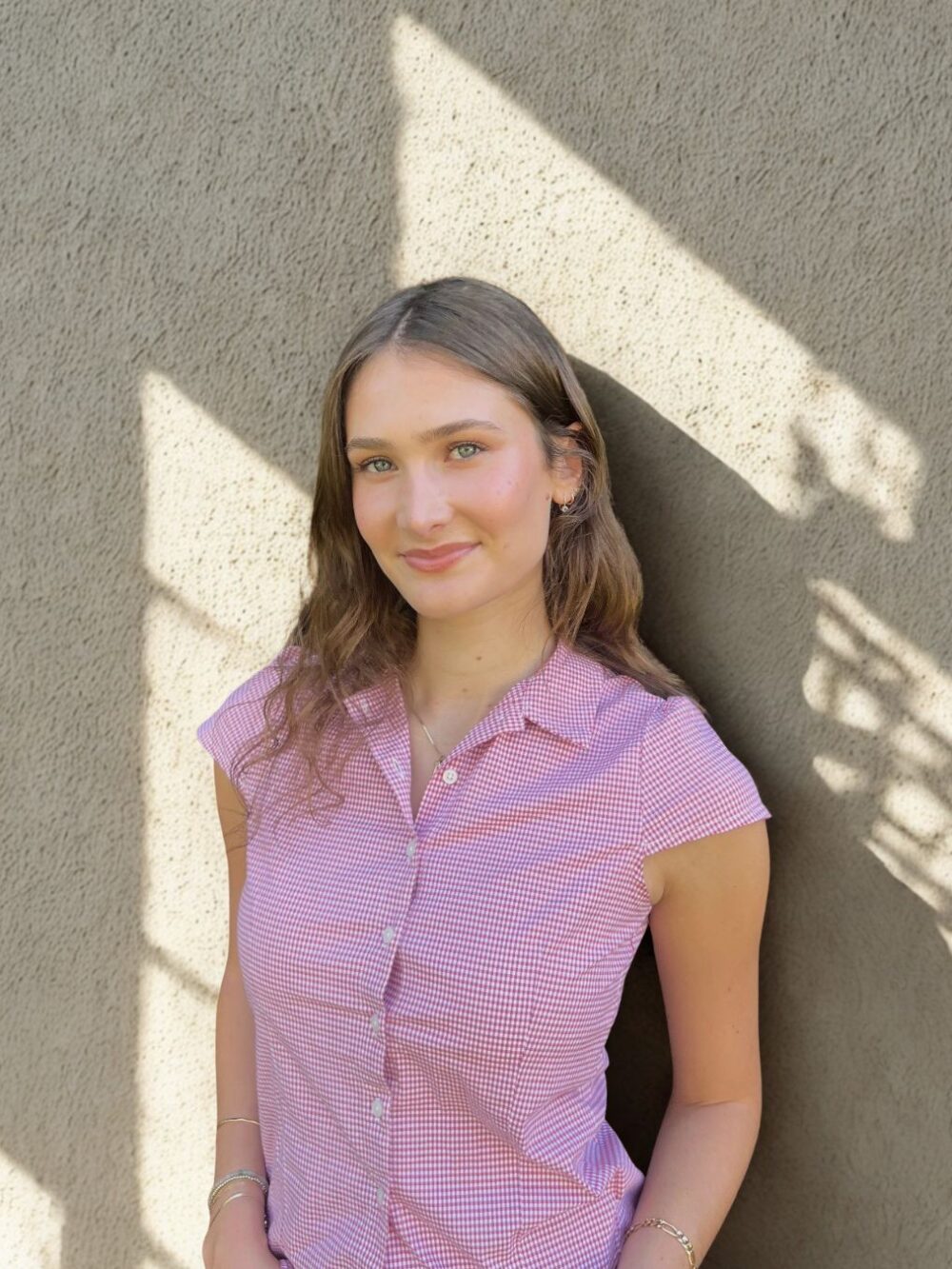
We're looking for a communications intern with a passion for storytelling, social media, public relations, and design. Click here to learn more and apply.
Main content
what we do
We are a communications firm founded in our passion for good design. Our unique approach to marketing and public relations in the architecture and design community has elevated our clients work to the next level. We’re backed by a talented community of creatives. From copywriters to social media experts, we provide a complete package of customized services. We strive to create a personal experience with each client, integrating teams and tackling your biggest marketing and public relations challenges from a high level. Then we help execute those plans ensuring lots of reporting along the way, with lots of coffee breaks in between because we’re from Seattle and that’s what we do.
marketing
marketing strategy
brand strategy
project management
partnerships acquisition and management
e-mail blasts
public relations
media strategy
content production
media communications and outreach
awards: strategy, content development and submissions
social
platform strategy and management
content production
targeted campaigns
results + reporting
advertising
advertising strategy
budget strategy + negotiation
calendar management
creative coordination
content
storytelling
copywriting
website and e-mail marketing
video: sourcing, storyboarding and scheduling
photography acquisition + curation
events
event management
sponsorships + partnerships
tradeshow coordination
press tours
Main content
clients
Here is a little taste of who we love to work with and what we love to do.